

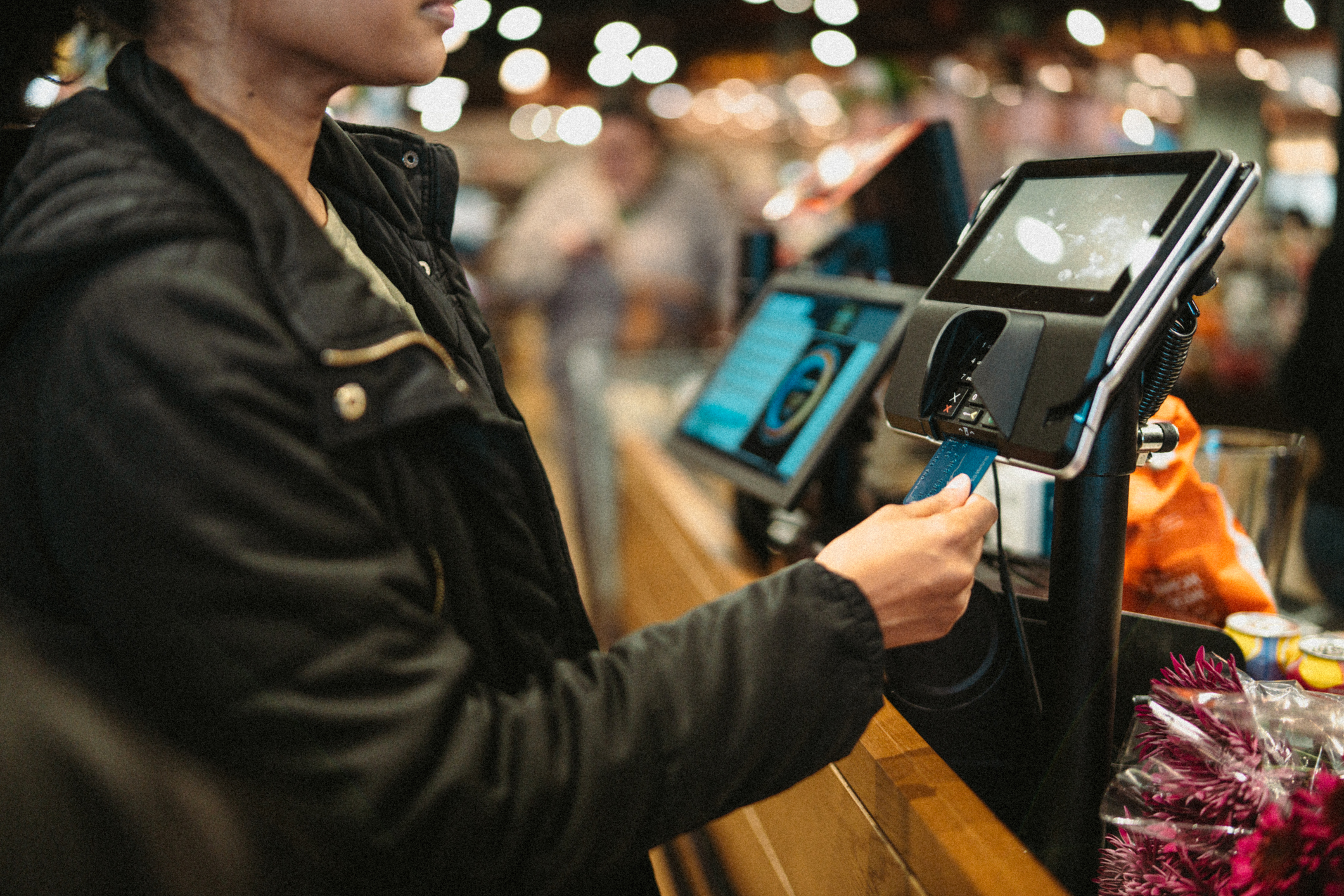
Australians aren’t spending less – they’re interrogating every dollar. This isn’t a temporary squeeze, it’s a behavioural reset, something we’re seeing in both qualitative interviews and consumer confidence data.
With confidence at near-recessionary lows and wages lagging inflation, more bills are fighting for the same pay cheque – across housing, insurance, utilities, groceries, education, and transport.
For brands, the question is no longer “why buy?” – it’s “why keep?”
Spending Under Review
As fixed costs take up more income, discretionary spending tightens. Trade-offs become sharper, and more deliberate.
This isn’t just about affordability; it’s about control. When costs feel volatile and income uncertain, spending turns defensive.
Holidays become shorter and closer to home. Dining out shifts to mid-week specials or shared plates. Gym memberships are paused or downgraded. Big purchases are delayed, often waiting on discounts. Loyalty softens as price gaps widen.
More tellingly, the definition of “essential” is shifting. Health cover is trimmed. Insurance excesses rise to reduce premiums. After-school activities are reconsidered. Second cars are delayed. Even private school fees, once untouchable, are being questioned.
Recurring costs now face more scrutiny than occasional indulgences.
Financial behaviour reflects this shift. Credit cards are paid down faster, while Buy Now Pay Later is used for its predictability. Customers compare utilities and insurance more often, seek capped pricing, and have little tolerance for unexplained increases. Automatic renewals are no longer invisible.
The question has moved from “What do I want?” to “What can I justify?”
Pressure Profiles
Households aren’t all responding the same way.
Younger households, with thinner savings buffers, feel pressure earlier. Liquidity and flexibility matter most – access to cash, adjustable commitments, and the ability to switch quickly. Switching isn’t disloyalty; it’s risk management—shaped by concerns around income stability and job security.
Mid-life households face a heavier load: mortgages, school fees, insurance, utilities. Larger decisions are weighed against long-term affordability, with a focus on maintaining stability rather than expanding lifestyle.
Mature households often have stronger assets but fixed incomes. Rising healthcare and insurance costs, alongside the need to preserve capital, shape decisions. Many also support younger generations – but that support is tightening. What was once informal is now planned and, at times, reduced. The question shifts from “Can we help?” to “How much can we sustain without compromising our position?”
Across life stages, one principle holds: spending is shifting from acquiring more to maintaining control.
What once felt essential now has to earn its place.
Why this matters to brands
When share of wallet tightens, competition expands.
Brands no longer compete within category. They compete across the household budget. Utilities compete with dining out. Insurance competes with subscriptions. Education competes with mobility.
Price matters, but predictability matters more. Customers are buying clarity, stability, and ease. Complexity, opaque pricing, and surprise increases create friction and drive switching.
Affordability alone isn’t enough. Brands that reduce effort, remove uncertainty, and make spending feel safe retain customers longer. Value is increasingly emotional, felt as reassurance.
The Value Reset
- Sell certainty, not just price: If customers can’t predict cost, they won’t stay – even if you’re cheaper.
- Eliminate surprises: Unexpected increases trigger reassessment – and switching.
- Design for flexibility: Lock-ins feel risky. Flexibility feels safe. Pause, downgrade, adjust – now expected.
- Earn your place, continuously: “Essential” isn’t fixed. Every recurring cost is re-justified.
- Reduce effort, not just cost: The winners aren’t just cheaper – they’re easier. Simple beats complex.
The Opportunity
Australians aren’t abandoning brands, they’re reallocating them.
The opportunity is to earn a place within constrained household budgets.
The brands that win will feel safer, simpler, and easier to justify.
Because today, it’s not about what customers buy – it’s what they choose to keep.
At Platform One, we help brands compete in the Share of Wallet Economy – identifying where value is shifting and how to respond with clarity. If your offer is being questioned, compared, or quietly dropped, it’s time to understand why.

